

Millennials and Gen Z are rewriting the rules of most parts of life, but they’re having a particularly profound effect in the wedding gift market. Traditional department store barcode scanners are gathering dust because these generations are thinking more originally and intelligently about what to get the happy couple on their special day.
Many modern couples are actually ditching the traditional registry approach. Instead, they’re looking for different types of experiences and gifts, including eco-conscious goods and personalized items. They’re also asking simply for cash to help them start their lives and get going. Because of this, the gift market is changing beyond recognition. What was usually a simple operation is now becoming something far more complex.
A company at the center of this storm is Giftory. This brand is offering advice on wedding experience gifts for 2026 so guests have more of an idea of what to get the happy couple before wedding day.
“We’ve seen a quantum shift in the way wedding guests search for and buy gifts for the happy couple in their lives. They’re completely changing their approach, and it’s no longer always about buying them a physical object. Although that is something that still occurs, it’s more about thinking carefully about the types of experiences that the couple will be able to have once they’re married and slotting those into their lives.”
The digital cash fund revolution
One of the most significant changes is the switch towards the digital cash fund revolution. What was once considered a wedding faux pas is now the industry standard, with most people simply asking for money so they can start their lives.
Doing this seamlessly would have been challenging years ago. Handling cash and paying using traditional banks was a pain. Now, however, there are many platforms that streamline the process. PocketWell, The Knot, and Zola and others make cash giving a secure and frictionless experience. There’s plenty of flexibility and transparency, and many of these platforms simply ask guests to pay a small fee as a percentage of the total donation. Other times, there are zero-fee options. Smart integrations dress the cash gift up in digital prettiness to make it more attractive.
Cash gifts were historically important, and now they are making a comeback, especially given the financial challenges of Gen Z and millennials. Furthermore, when guests send funds, they can earmark them for specific activities. Rather than writing a blank check, funds can come with a suggestion to spend them on romantic meals in a new city or on a brand-new refrigerator for the couple’s rental apartment.
The experiential economy is taking over
Similarly, the experiential economy is taking over, according to Giftory.
“We’re seeing a dramatic boom in millennials and Gen Z guests buying the happy couple experiences instead of physical gifts or even money. The idea is to prioritize experiences in life, which is something that chimes well with Gen Z’s overall philosophy. This segment of the market is seeing massive growth right now, and we’re very excited about it. There are so many experiential gifts on offer, it’s almost hard to count them all.”
One of the most cherished experiential gifts is private cooking classes. Many people are rediscovering the joy of the skill and how it can make everyday life more delicious. Couples are also being given luxury spa retreats, adventure getaways, and wine-tasting tours. There’s almost no limit to the fun they can have.
The appeal of this lies in the creation of lasting memories rather than durable goods. The idea is to give the couple something fun that they can experience almost immediately after they tie the knot, so they can form happy and fond memories of each other before moving forward with the rest of their lives.
It’s also a practical matter. Many couples live together for a significantly extended period of time before tying the knot. Experiential gifts deal with the problem of clutter and prevent them from receiving things that they already have
The rise of curated luxury hampers
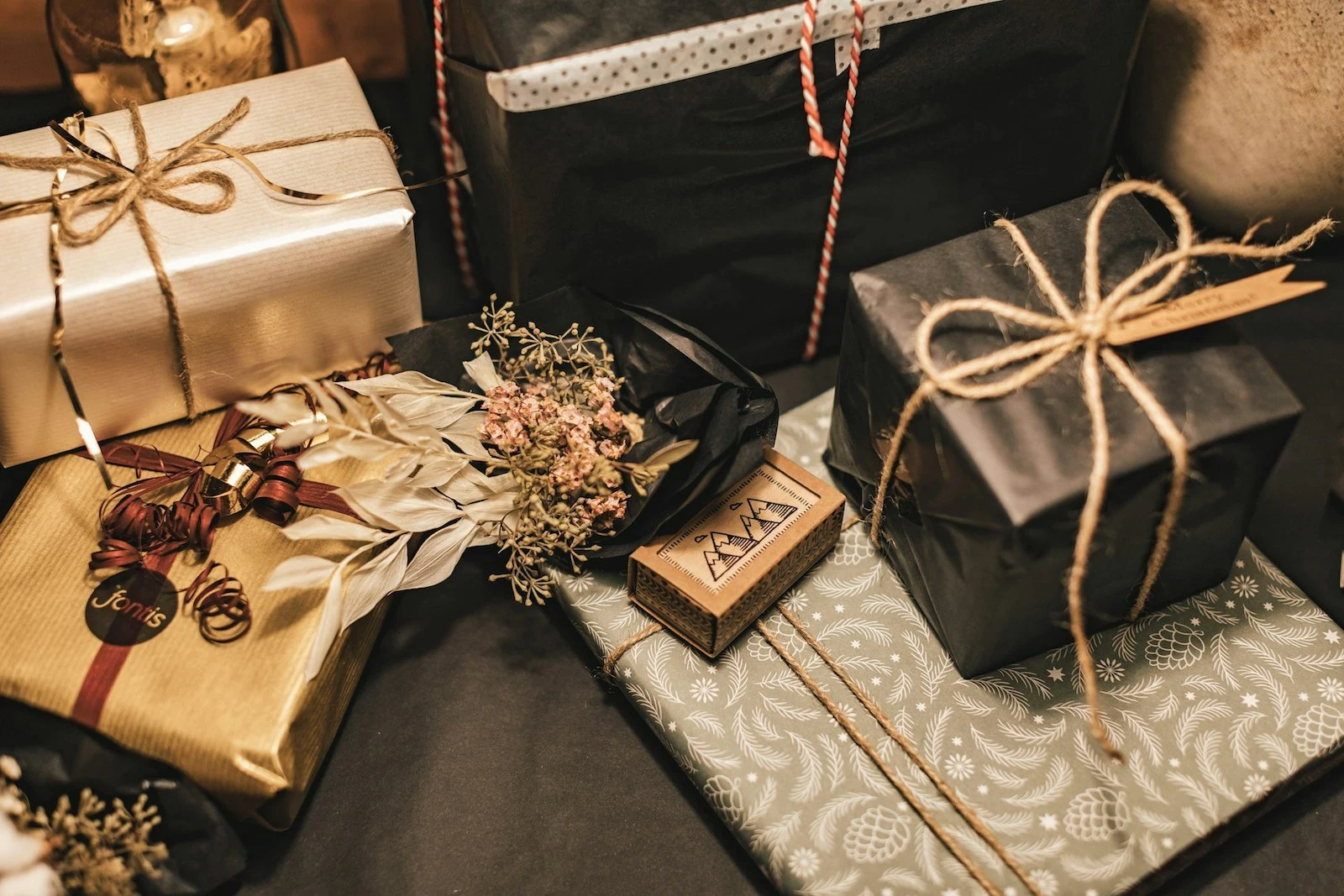
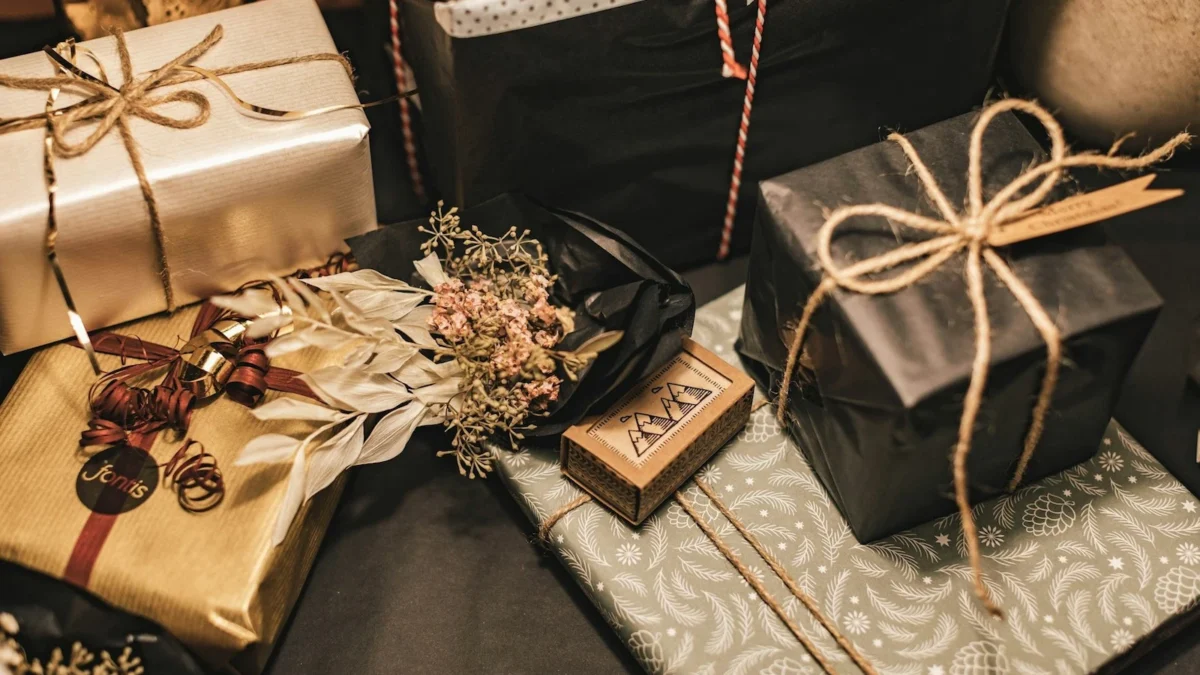
Alongside all of this, we’re seeing the rise of curated luxury hampers. In the inner world, single gifts and single-item gifts are losing relevance, and hampers provide a welcome solution.
Buyers are no longer satisfied with wrapping up a single platter or a set of towels and handing it over to the happy couple. Instead, they want something beautifully packaged that seems fitting for the wedding day, and hampers appear to fit the bill.
Many wholesalers and wedding planners are seeing enormous spikes in demand for hampers and associated products. These provide the happy couple with a range of items that are centered around a specific theme. For example, it might be gourmet artisanal food or premium teas. It could also be designer fragrances and wellness products.
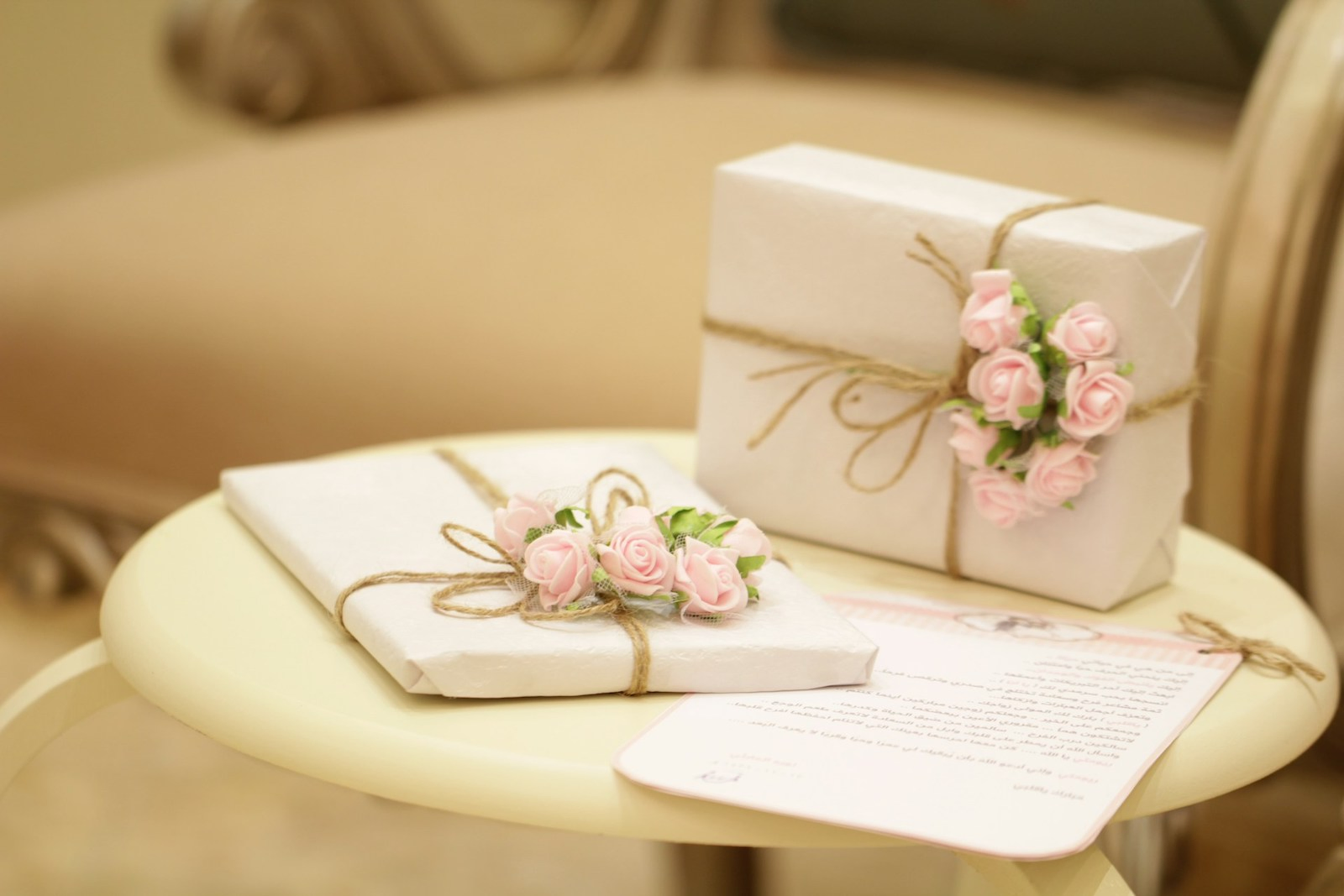
The packaging itself is quickly becoming as important as the products that it contains. Many wedding gift givers are using eco-friendly craft materials, transparent acrylic cases, and suede boxes. They’re also adding more velvet to the packaging to give it a luxurious and sensuous feel.
Furthermore, many wedding hamper providers offer a high degree of personalization. For many couples, this is a critical element. It means that they are able to receive wedding hampers that really feel like they are an integral part of their special occasion.
Conscious consumerism
Finally, the rules of the wedding gift market are changing due to the rise of conscious consumerism. Many more millennials and Gen Z people are now climate-aware and are focusing on things like excess and waste. The idea is that going eco-conscious is becoming a primary driver of purchasing decisions.
Recent retail studies suggest that around two-thirds of wedding planners now want to use vendors who offer sustainable gifting options. This drive for green gifts is changing how the manufacturing system as a whole works, with many companies now flooding the market with bamboo and wooden options. Hand-crafted clay and terracotta pieces are also making a significant comeback. Consumers are scrutinizing supply chains and material use choices.